
What Homeowners Can Expect
Minor Issues Often Cause the Most Expensive Repairs
Discovering water damage in your home can be stressful but knowing what to expect during the restoration process can help you feel more prepared. While every project is different, most professional water damage restoration follows these general steps.
Step 1: Emergency Response
The priority is helping to prevent additional damage. When the restoration team arrives, they will:
- Identify the source of the water, if possible.
- Help identify the source of the water and recommend appropriate steps to stop the intrusion.
- Evaluate any immediate safety concerns.
- Discuss the restoration process with you.
Homeowner Tip: If it’s safe, turn off the water supply and move valuable belongings away from affected areas before help arrives.
Step 2: Inspection and Damage Assessment
Not all water damage is visible. Restoration professionals inspect your home to determine:
- Which rooms and materials have been affected.
- How far moisture has traveled.
- The extent of the damage and evaluate the type of water involved. This helps guide the restoration plan and appropriate safety precautions.
- What materials may be restorable.
Specialized tools such as moisture meters and, in some situations, thermal imaging cameras help identify moisture that may not be visible.
Step 3: Water Extraction
Standing water is removed using professional extraction equipment. Removing excess water as soon as practical helps prepare the property for the drying phase and can reduce additional damage to building materials.
Step 4: Structural Drying
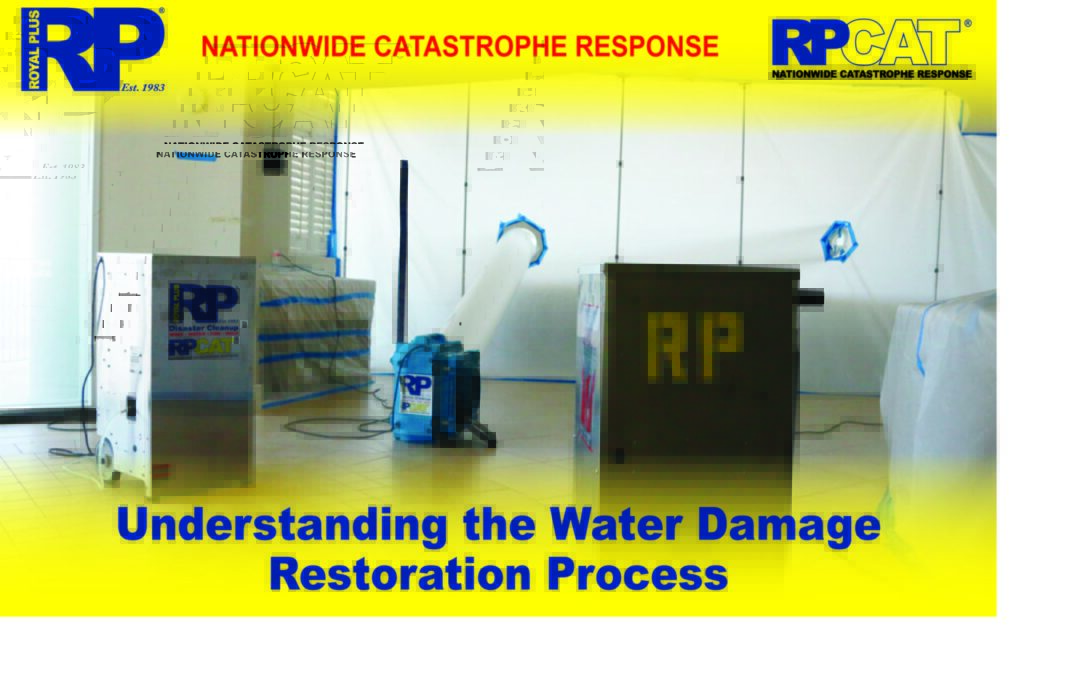
Even after standing water is removed, moisture can remain inside building materials. Professional drying may include:
- Air movers to increase airflow.
- Dehumidifiers to remove moisture from the air.
- Monitoring equipment to track drying progress.
Equipment placement is based on the size of the affected area, the materials involved, and drying goals. Drying times vary depending on the materials affected, the amount of water, temperature, humidity, and other site conditions.
Step 5: Monitoring the Drying Process
Drying isn’t a “set it and forget it” process. Restoration professionals typically return to:
- Measure moisture levels.
- Check equipment performance.
- Adjust equipment placement if needed.
- Document drying progress.
Monitoring continues until the affected materials have reached appropriate moisture levels; During the drying process, technicians monitor moisture levels and indoor conditions to evaluate drying progress and adjust equipment when needed.
Step 6: Cleaning and Content Care
Once drying is complete, affected areas may be cleaned using methods appropriate for the type of water involved and the materials affected. This step may include:
- Cleaning surfaces.
- Addressing odors when necessary.
- Cleaning salvageable belongings, when appropriate.
The cleaning approach depends on the specific conditions at the property.
Step 7: Monitoring the Drying Process
Some materials may require repair or replacement after drying. Depending on the extent of the damage, this could include:
- Drywall repairs
- Flooring replacement
- Baseboards and trim
- Cabinet repairs
- Painting
- Other reconstruction work
Once drying is complete, repairs or reconstruction may begin if building materials need to be replaced.
Step 8: Final Walkthrough
Before the project is complete, the restoration team will review the completed work with you, answer questions, and explain any remaining repair recommendations. The goal is to ensure you understand what work was performed and any next steps.
Frequently Asked Questions
How long does water damage restoration take? Every project is different. The timeline depends on factors such as the amount of water, the materials affected, and the drying conditions. Why does drying take several days? Water can remain inside drywall, wood, insulation, and other materials even after surfaces appear dry. Professional drying equipment and moisture monitoring help determine when materials have dried appropriately. Why are moisture meters used? Moisture meters help restoration professionals evaluate moisture levels in building materials and monitor drying progress over time. Can I clean up the water myself? Small, clean-water spills can often be cleaned up by homeowners. Larger losses, contaminated water, or water that has affected building materials may require a professional assessment.
Homeowners Tips
✔ Act quickly when water damage occurs. ✔ Save receipts for emergency expenses. ✔ Take photos before moving damaged items if it is safe to do so. ✔ Keep children and pets away from affected areas and restoration equipment. ✔ Follow your restoration team’s recommendations during the drying process, including leaving equipment running unless instructed otherwise.
Recent Comments