
What Homeowners Can Expect
Discovering water damage in your home can be stressful. Knowing what happens next can help you feel more prepared. While each project is different, the water damage restoration process generally follows these eight steps.
Step 1. Emergency Response
First, the restoration team focuses on preventing further damage. When they arrive, they’ll look for the source of the water and recommend ways to stop it. They’ll also check for immediate safety concerns and explain what to expect next.
Homeowner tip
If you can safely reach the water shutoff, turn off the supply. Move valuables away from the affected area if you can do so safely.
Step 2. Inspection and Damage Assessment
Next, the team checks which rooms and materials the water reached, how far the moisture spread, and what they may be able to restore. They also evaluate the type of water involved so they can plan the cleanup and take appropriate safety precautions.
Some moisture can hide behind surfaces. For example, the team may use moisture meters to check building materials or thermal imaging cameras to help locate areas that need closer inspection.
Step 3. Water Extraction
Once the team assesses the damage, they use professional extraction equipment to remove standing water. Removing excess water as soon as practical can limit further damage and prepare the area for drying.
Step 4. Structural Drying
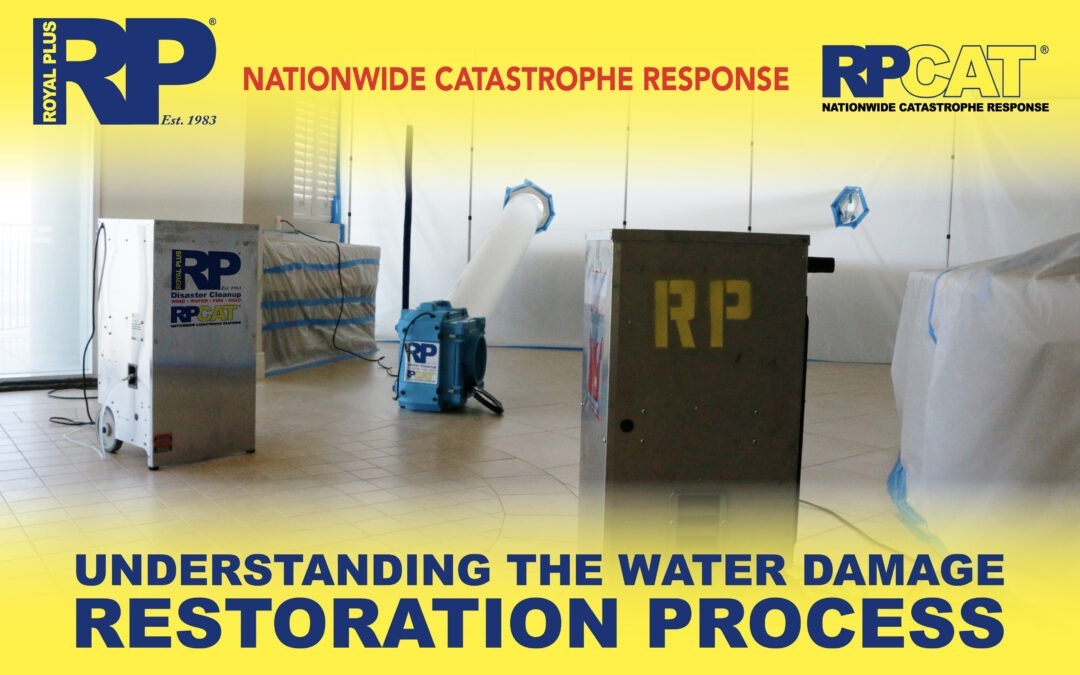
Even after the team removes standing water, moisture can remain in drywall, flooring, and other building materials. To dry the affected areas, technicians may use air movers to circulate air and dehumidifiers to remove moisture from it.
The team places the equipment based on the size of the affected area and the materials involved. Drying time also depends on how much water entered the home, the temperature, and the humidity.
Step 5. Monitoring the Drying Process
During drying, technicians return to measure moisture levels, check the equipment, and document progress. If an area needs more attention, they can adjust the equipment placement. The team continues monitoring until the affected materials reach appropriate moisture levels.
Step 6. Cleaning and Caring for Belongings
Once the area dries, the team may clean affected surfaces and belongings that can be saved. They may also address lingering odors. The type of water involved and the materials it touched help determine which cleaning methods the team uses.
Step 7. Repairs and Reconstruction
Depending on the extent of the damage, some materials may need repair or replacement after drying. For example, the work may include repairing drywall or cabinets, replacing flooring or baseboards, and repainting affected areas.
Step 8. Final Walkthrough
Finally, the restoration team walks you through the completed work, answers your questions, and explains any repairs they still recommend. This is a good time to ask about anything you’re unsure of before the project wraps up.
Frequently Asked Questions
How long does water damage restoration take?
The timeline depends on how much water entered your home, which materials it reached, and how quickly those materials dry. Any repairs or reconstruction can also affect the overall schedule.
Why can drying take several days?
Drywall, wood, and insulation can hold moisture even when their surfaces look dry. That’s why technicians use drying equipment and take moisture readings before they finish drying an area.
Why do restoration teams use moisture meters?
Moisture meters help technicians measure how much moisture remains in building materials. By comparing readings over time, the team can track drying progress and decide whether to adjust the equipment.
Can I clean up the water myself?
Homeowners can often handle small spills involving clean water. If the water covers a large area, may be contaminated, or has soaked into building materials, a professional assessment can help determine what cleanup the home needs.
Tips for Homeowners
- Act quickly when you discover water damage.
- If it’s safe, take photos before moving damaged items.
- Save receipts for emergency expenses.
- Keep children and pets away from affected areas and restoration equipment.
- Follow your restoration team’s instructions. Leave the drying equipment running unless the team tells you otherwise.
Recent Comments